The Work XP: Expanding Horizons Through Real-World Careers Education

See how Work XP builds confidence, challenges stereotypes and boosts engagement with relatable career videos. Explore courses in our catalog.
May 18

Work XP brings the world of work into the classroom

In a PSHE lesson, a student shrugs and says, “Some jobs aren’t for people like me.” A teacher can challenge that statement with facts, but it often lands differently when a relatable person says, “I thought that too and here’s what changed.”

A short, focused video can be that moment, especially when it shows someone who feels familiar by background, accent, interests or starting point. Work XP is built for those classroom moments, where aspiration starts as a conversation, not a lecture.

Short videos in the 5–10 minute range tend to hold attention better than longer clips and they usually get higher participation when you pair them with guided discussion. The key is what happens right after the video, when students can name what they noticed and connect it to their own options. The Work XP supports in bringing career aspiration, inclusion and engagement to students from multiple primary and secondary schools across UK.

What Work XP is and what it is designed to change

So, instead of telling students to “research careers” and hoping it sticks, Work XP gives them real-world careers education they can actually picture. It uses relatable role models, short engaging videos and discussion-based activities that fit into a tutor time, PSHE slot or a single careers lesson.

Many careers resources fail when pathways feel abstract or reserved for “someone else” because of stereotypes about gender, class, ethnicity or what counts as a “good” job. Work XP is designed to challenge those stereotypes, widen horizons and make pathways feel realistic and achievable, with examples students can repeat back in their own words.

What schools are seeing in practice

In practice, Bank View School staff are seeing the biggest shift when pupils move from watching to talking. Teachers report that workshops and short discussions are helping pupils question stereotypes and leave with one clear messagecareers are not “for boys” or “for girls”.

Also, staff have noticed that the format works well for SEND learners when the content stays clear and tightly paced. Relatable speakers and concise videos support attention and confidence, and they help pupils see alternative routes into careers, including jobs they can reach through different qualifications or training paths.


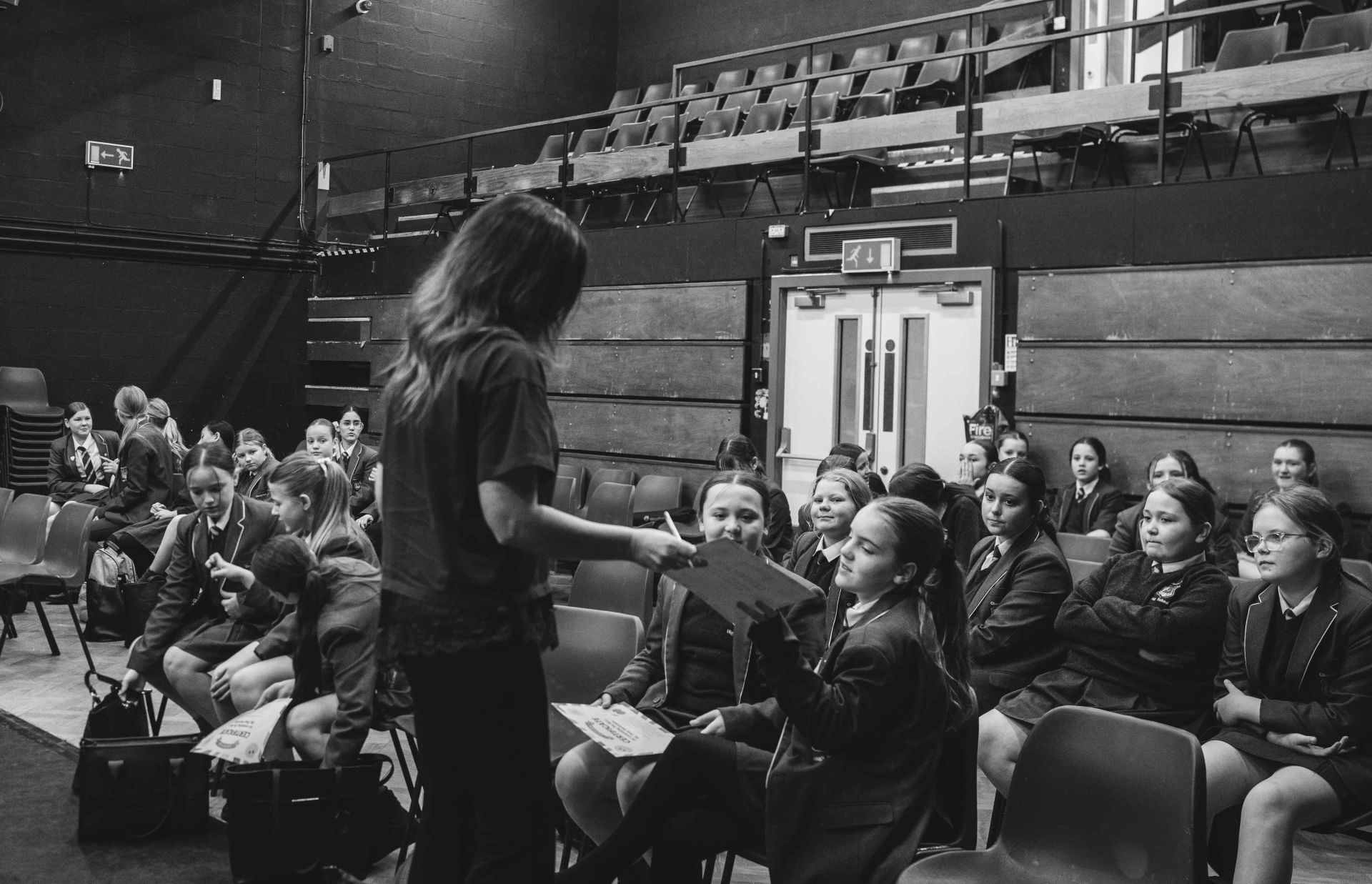
Next, at Holly Lodge Girls’ College, the biggest shift staff report is how quickly students connect when they can see people like them in the example stories.

When a resource includes local female role models, it tends to feel more real to students, so they ask better questions and push for next steps. For example, instead of saying “that job is too hard,” a student is more likely to ask what subjects to choose, what a typical day looks like or how long it takes to qualify.

That said, the other change is practicality, staff describe the materials as easy to find and easy to use, which matters when you are planning lessons back-to-back.

Careers don’t have gender limits

Next, keep coming back to one simple message, careers don’t have gender limits. When students hear that once, it can sound like a slogan. When they see it week by week in who speaks, what jobs are shown, and which pathways feel realistic, it starts to feel true.

Created with